

Our Approach
Building Strong Neighborhoods
Common Wealth works to improve the conditions that shape daily life in a neighborhood, focusing on housing, work, youth opportunity, small business growth, and community stability. Strong neighborhoods are built when people have a safe place to live, fair access to opportunity, trusted relationships, and support that helps them stay rooted. We think of this work like a tree. Racial justice and health equity are the roots. Everything else we do, from housing to workforce development to community outreach, grows from there.
The Social Determinants of Health
The social determinants of health are the conditions that shape health long before someone enters a clinic or hospital and how they impact people's everyday lives. They include housing, employment, income, transportation, education, childcare, neighborhood safety, access to healthy food, access to care, and social connection. These everyday systems and resources influence whether people can stay healthy and recover from hardship.
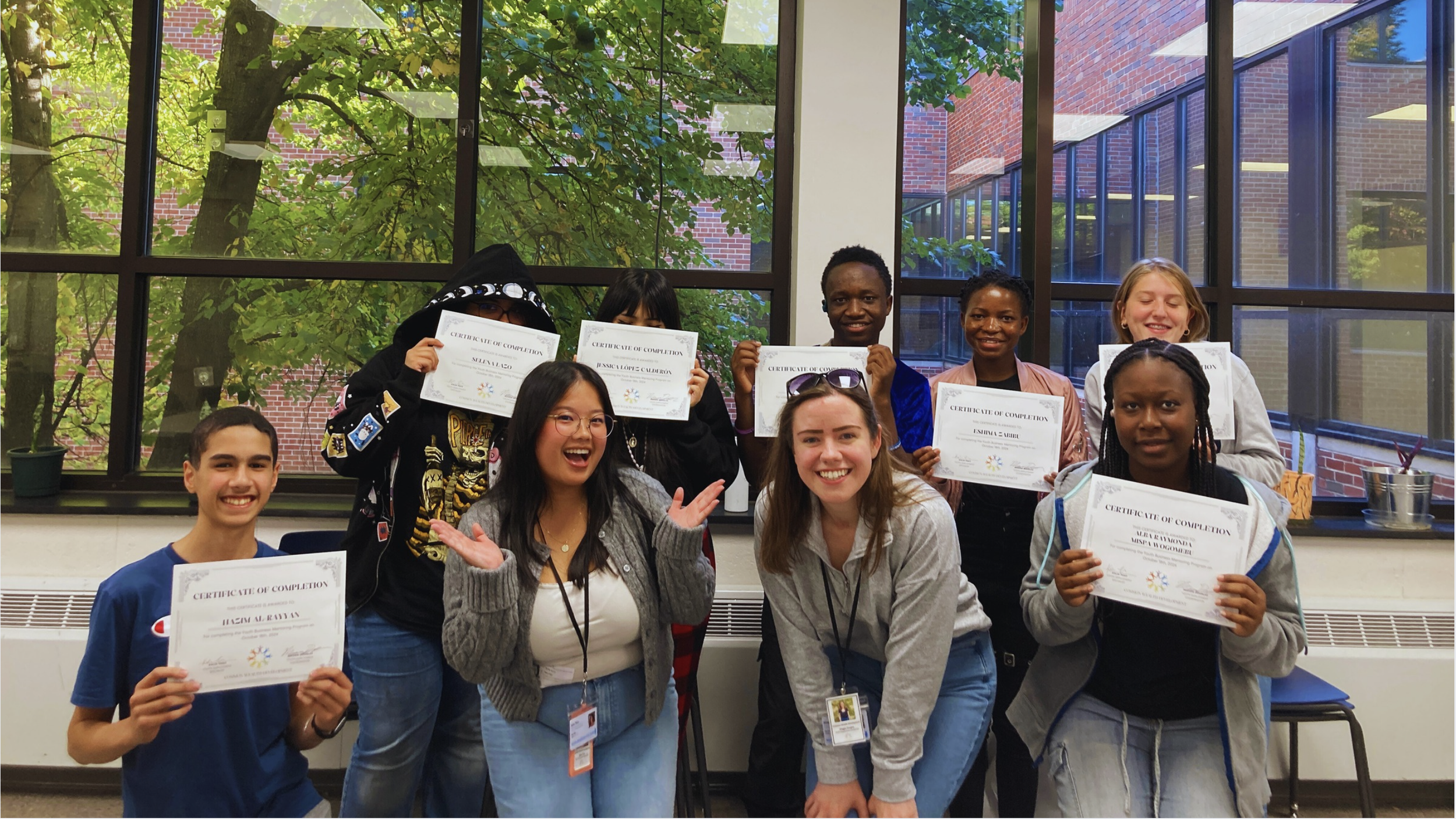
Home affects health, stress, safety, school consistency, and a family's ability to plan. Work affects income, confidence, routine, and long-term stability. Local businesses affect jobs, services, and whether resources circulate close to home. Young people need structure, exposure, support, and adults who take their growth seriously. When those conditions are weak, instability grows. When they are strengthened, people and neighborhoods are more likely to thrive.
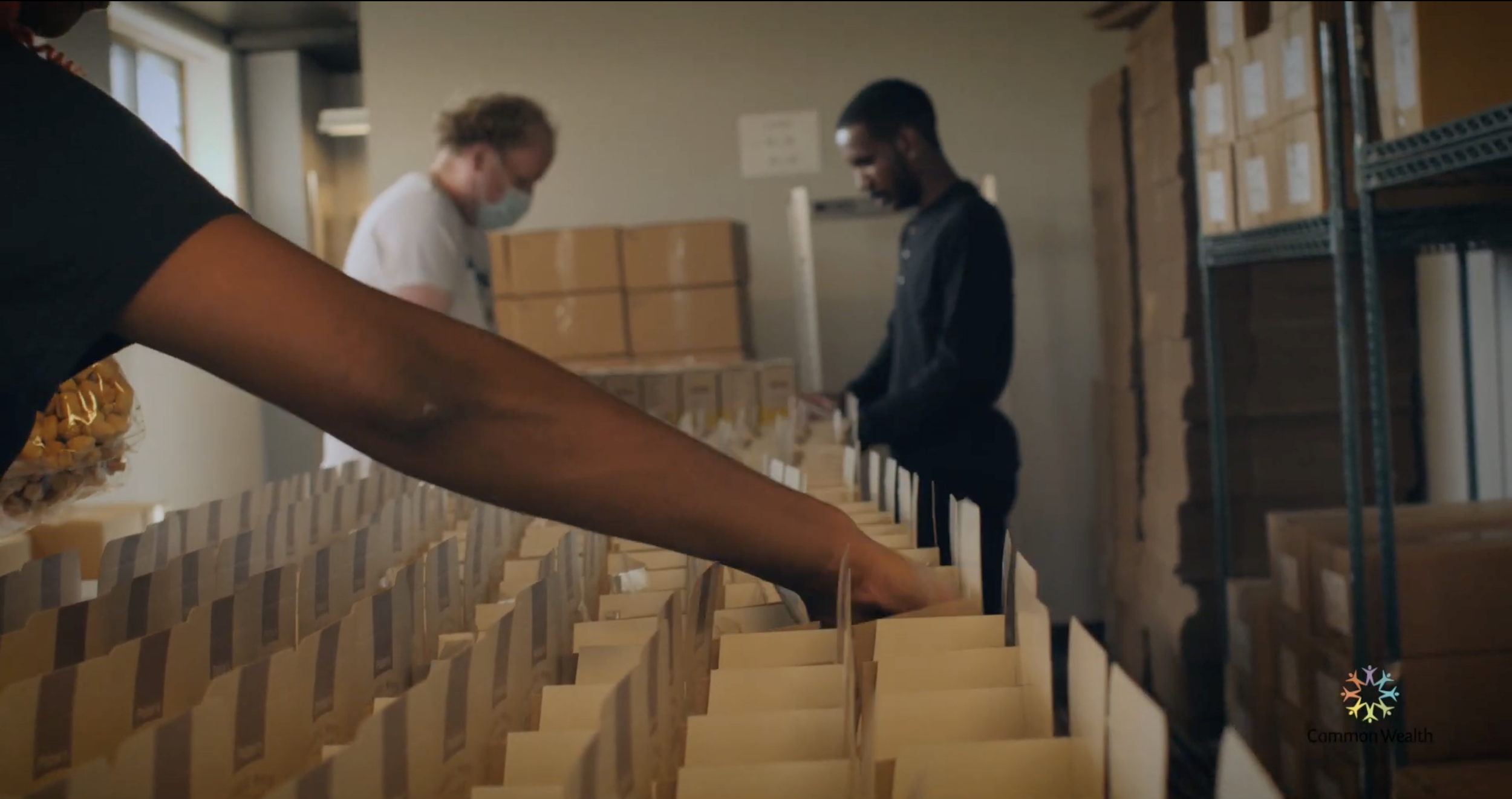
Community Safety from a Racial Justice and Health Equity Framework
A racial justice and health equity framework means working towards a world where people have a fair opportunity to live healthy lives, regardless of race, income, neighborhood, or past hardship. Through this lens, violence is understood to be a public health outcome shaped by inequity. That’s why violence prevention means improving the daily conditions that shape whether people and families can live with stability, dignity, hope, and room to plan.
Often, when people talk about violence prevention, they're really talking about response to violence. At Common Wealth, we talk about interrupting the production process of violence before it begins. When people are forced to navigate unsafe housing, deep financial stress, isolation, or untreated trauma, the risk of harm rises. When those pressures are reduced and people have stronger foundations, community safety becomes more possible.
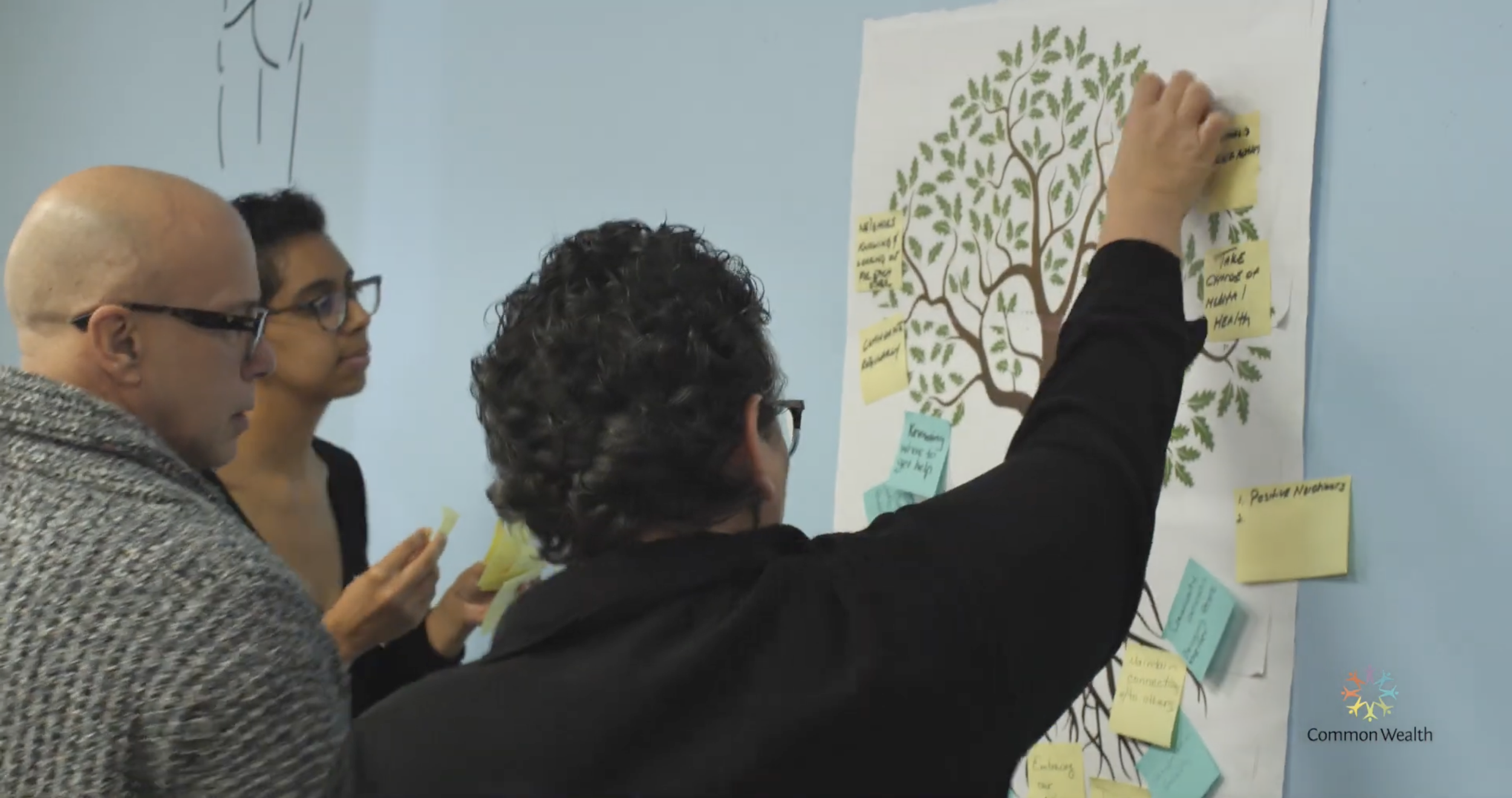
A Human-Centered and Trauma-Informed Approach
Our work starts with the most personal part of people’s actual lives, their homes, their children’s growth, and the businesses they hope will support their future. That responsibility shapes how we do the work. We aim to be consistent, respectful, and accountable to the communities we serve. This is why we take a human-centered and trauma-centered approach to all of the work that we do.
Many people carry the effects of hardship, violence, instability, displacement, incarceration, or chronic stress. Those experiences can shape trust, decision-making, and how people interact with institutions. A trauma-centered approach means creating environments that are respectful, predictable, and grounded in relationships. It means avoiding unnecessary stress, shame, or confusion. It means understanding that consistency matters, and that progress often depends on whether people feel safe enough to engage.
A human-centered approach means listening carefully, building trust, and responding to the actual needs, strengths, and goals of the people we work with. It means treating residents, young people, workers, and business owners as people with knowledge, responsibilities, and aspirations of their own. It also means recognizing that strong programs depend on strong relationships. It asks what will help this person or family move toward greater stability, rather than what is easiest for an institution to provide.
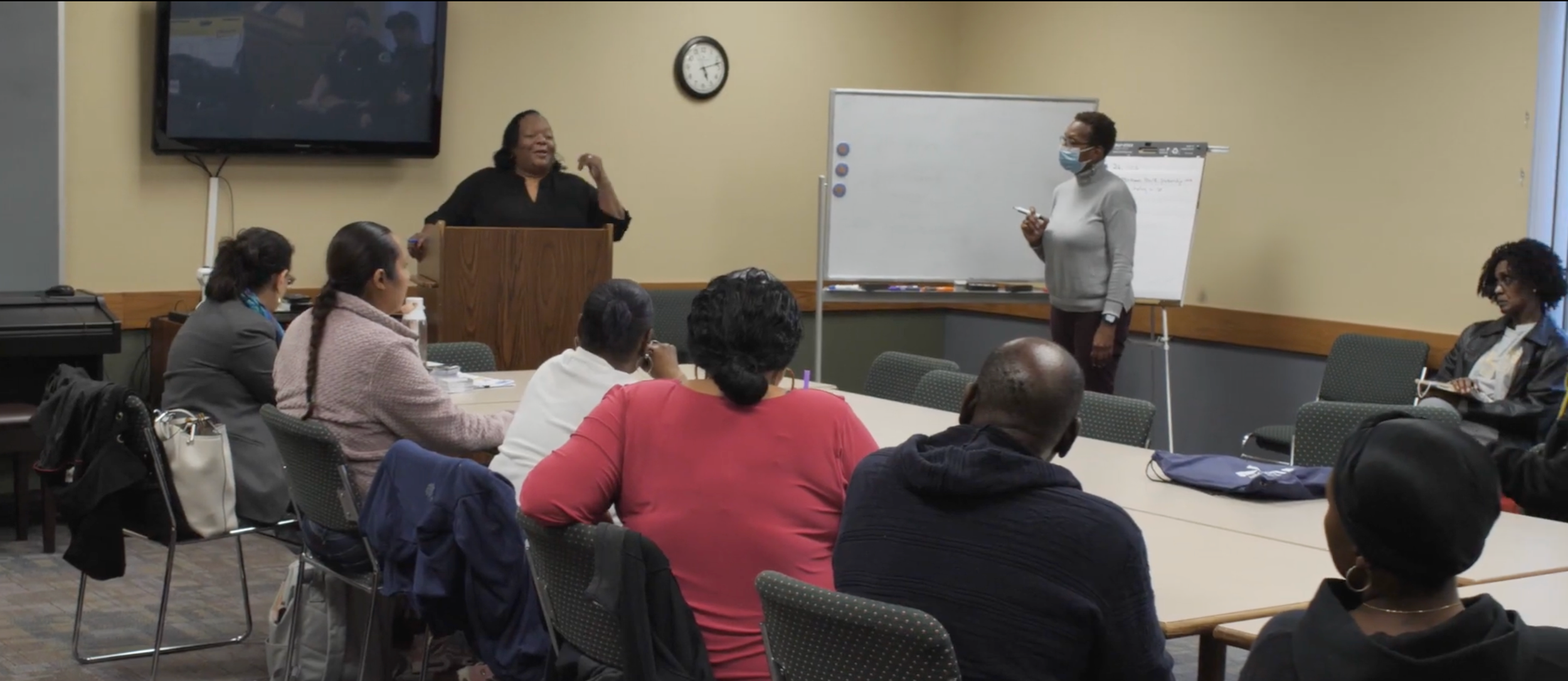
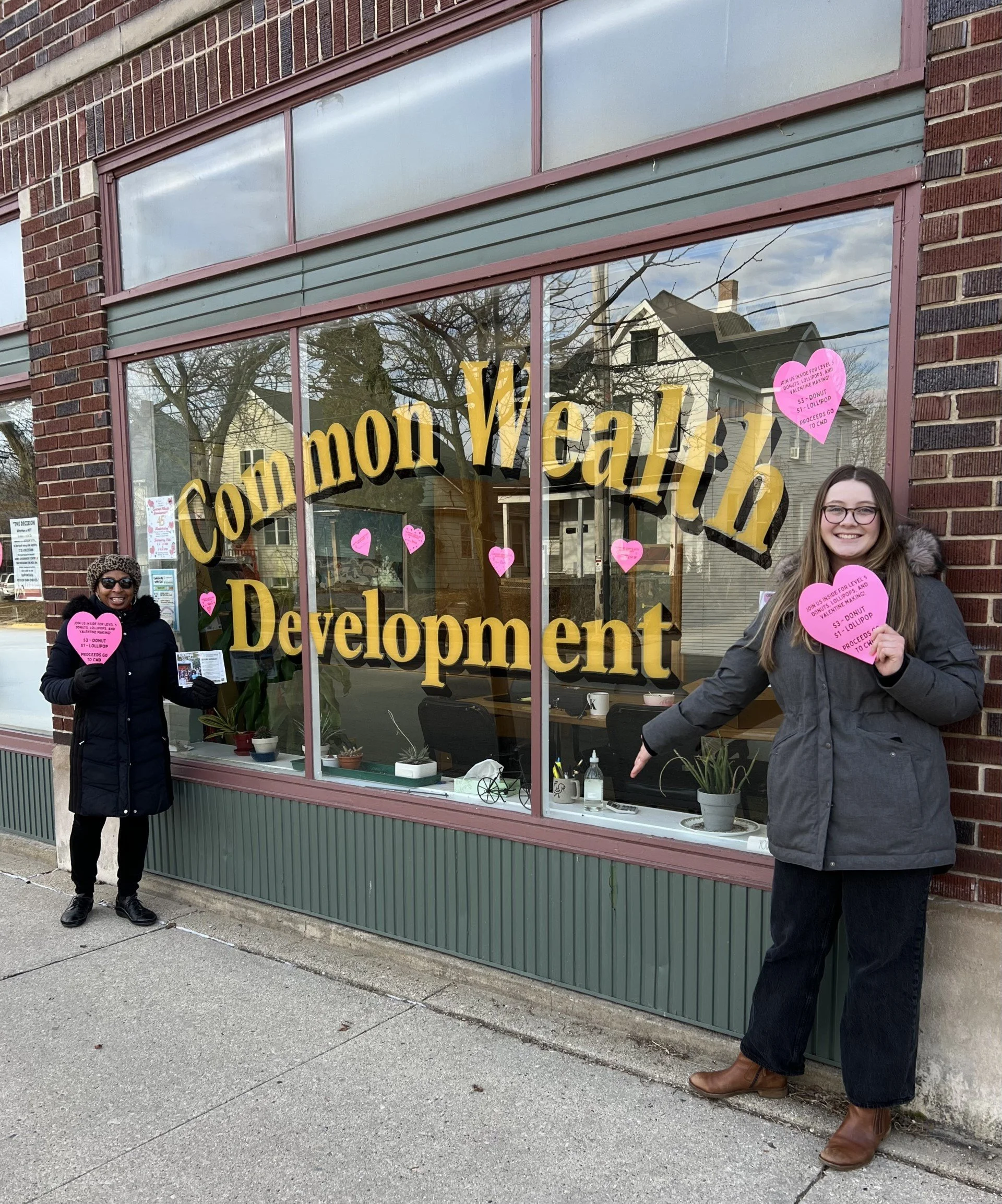
From a Foundation of Love
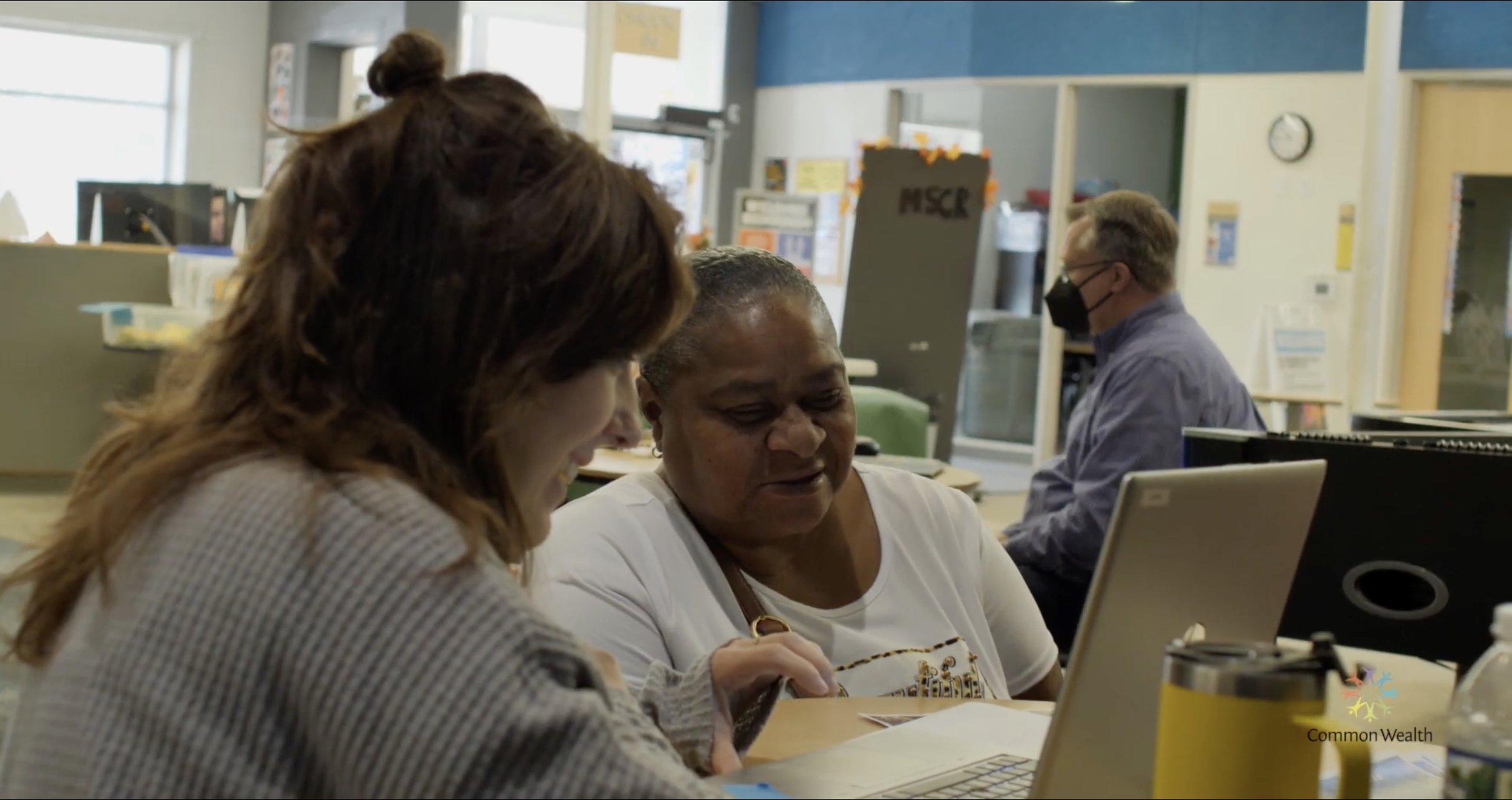
In practice, our work means creating housing, supporting families, helping people access work, investing in commercial corridors, assisting local entrepreneurs, and building partnerships that improve neighborhood life. The work is long-term, shaped by relationships, trust, and practical problem-solving.
And it all comes back to those roots. This is what violence prevention looks like. It is healthy housing for human beings. It is an equitable approach to economic development. It is working with community to advance sustainable land use practices and policies. And it is approaching everything, every program, every relationship, every decision, from a foundation of love.
In principle, Common Wealth will be a tool that the Williamson/Marquette communities can use to direct and control its own development. Common Wealth has three overall objectives; the first two are physical rehabilitation (such as renovating buildings improving public areas), and economic development (like helping small businesses, providing adequate housing). These objectives are worthwhile, but to make sure they benefit the whole community, a third must be added: preserving social diversity by combating displacement. In other words, we must make sure that we are not creating a neighborhood that many present residents and businesses can’t afford to live in.
- The Gazette Newsletter, 1979