

Our Story
Neighborhood Roots
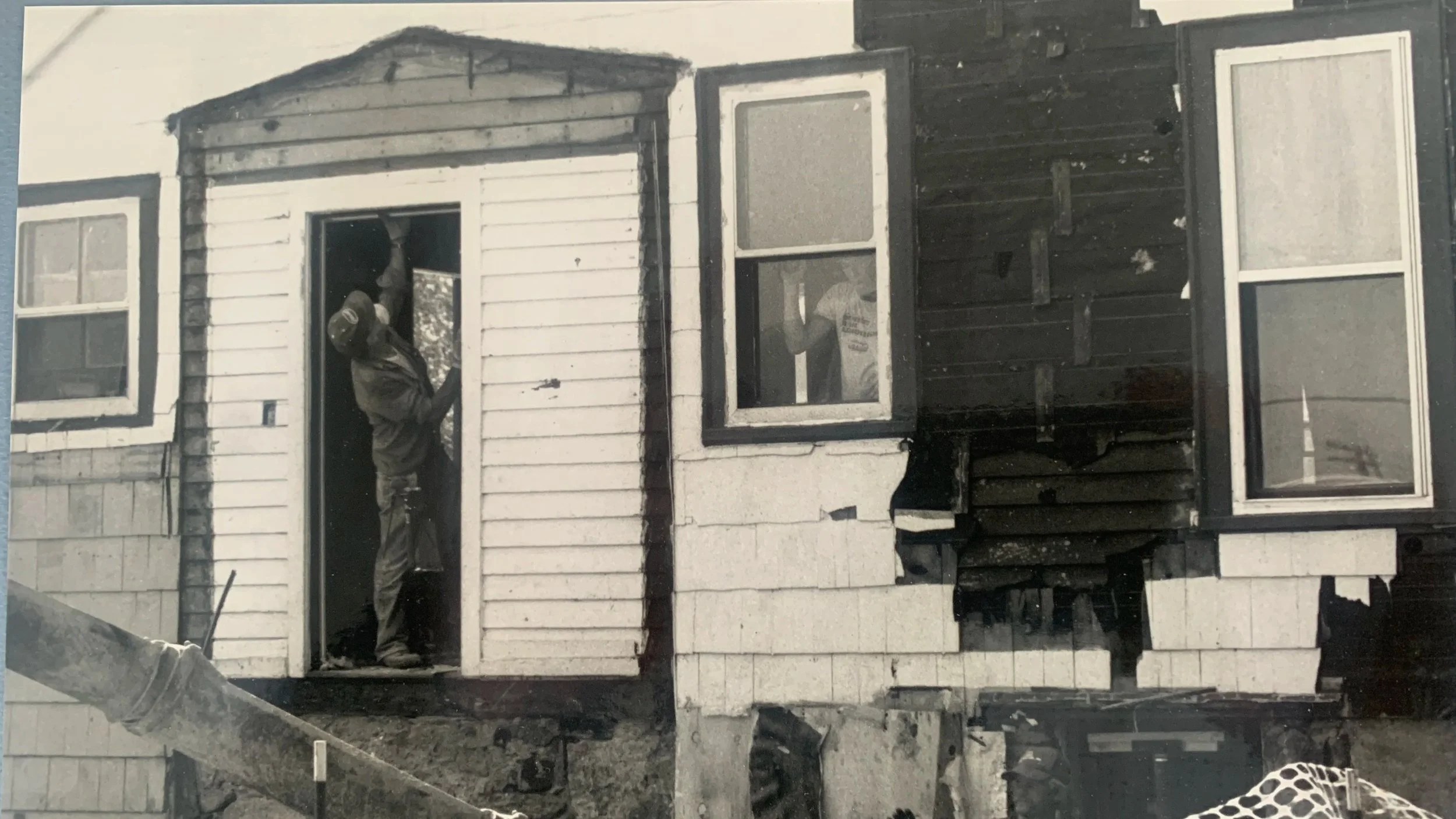
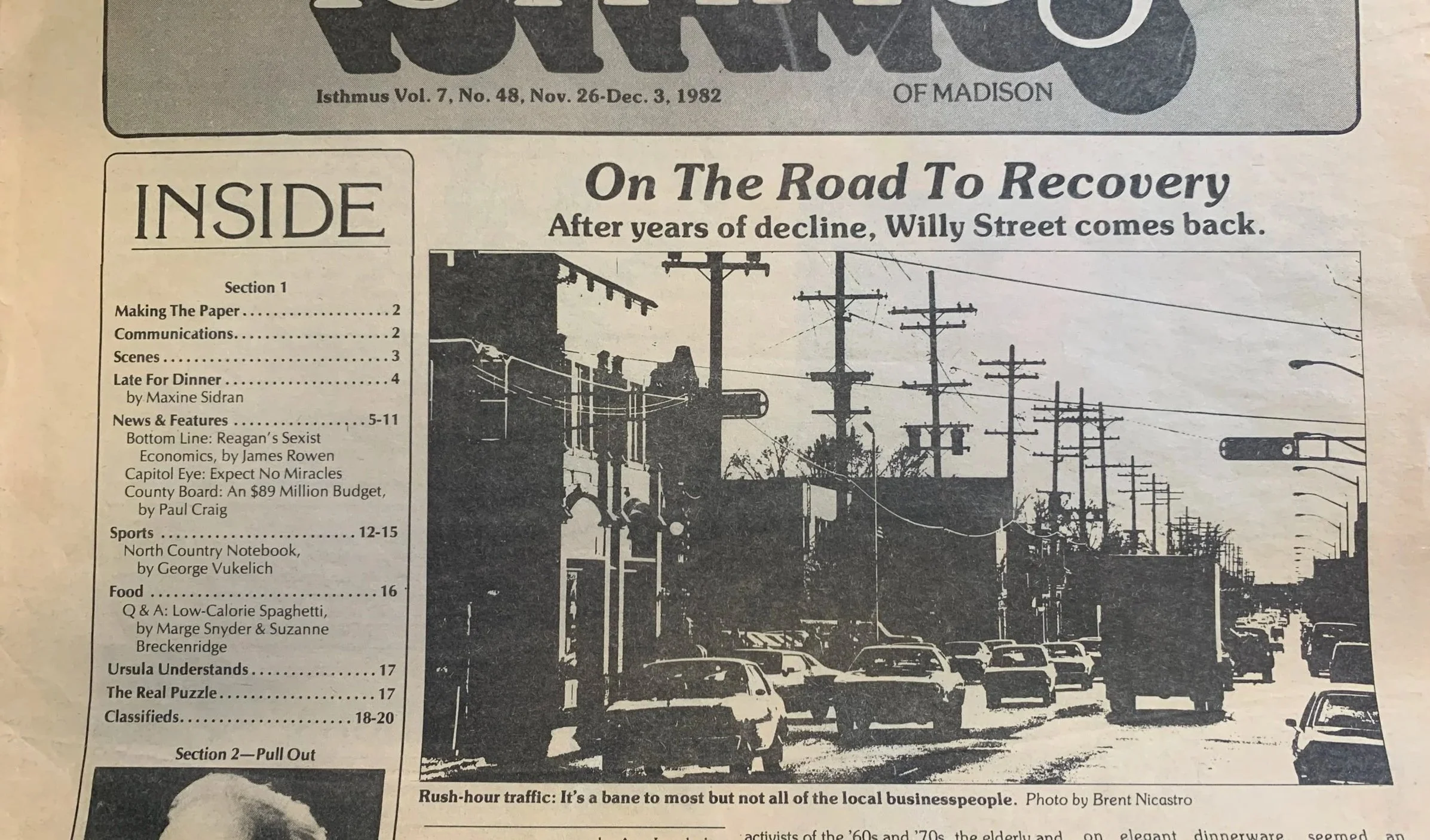
Through the 1970s and early 1980s, the Williamson Street corridor was in decline. The light industries and agriculture-related businesses, that had historically been the backbone of the neighborhood’s economy, either moved or died out, leaving empty buildings and vanishing jobs.
When La Samaritaine Co-op bought their buildings on the 1000 block in 1982, the derelict buildings were infested with mice and cockroaches. The deterioration of Willy Street was having a detrimental effect on the health, stability, and economic opportunity of the people who called it home. What the neighborhood needed was affordable housing built as if people mattered, the cultivation of a thriving local economy, and workforce training.
Preparing the Ground
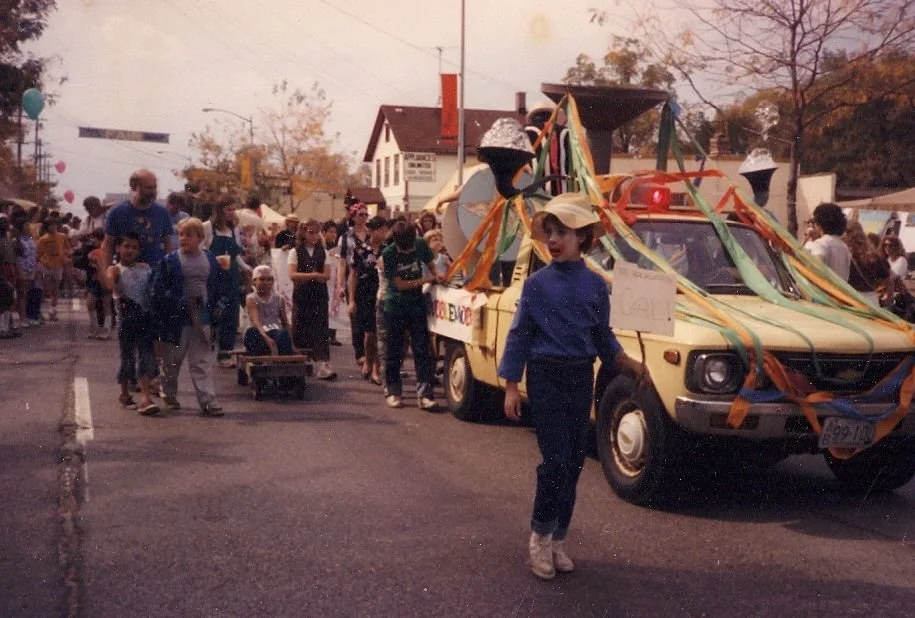
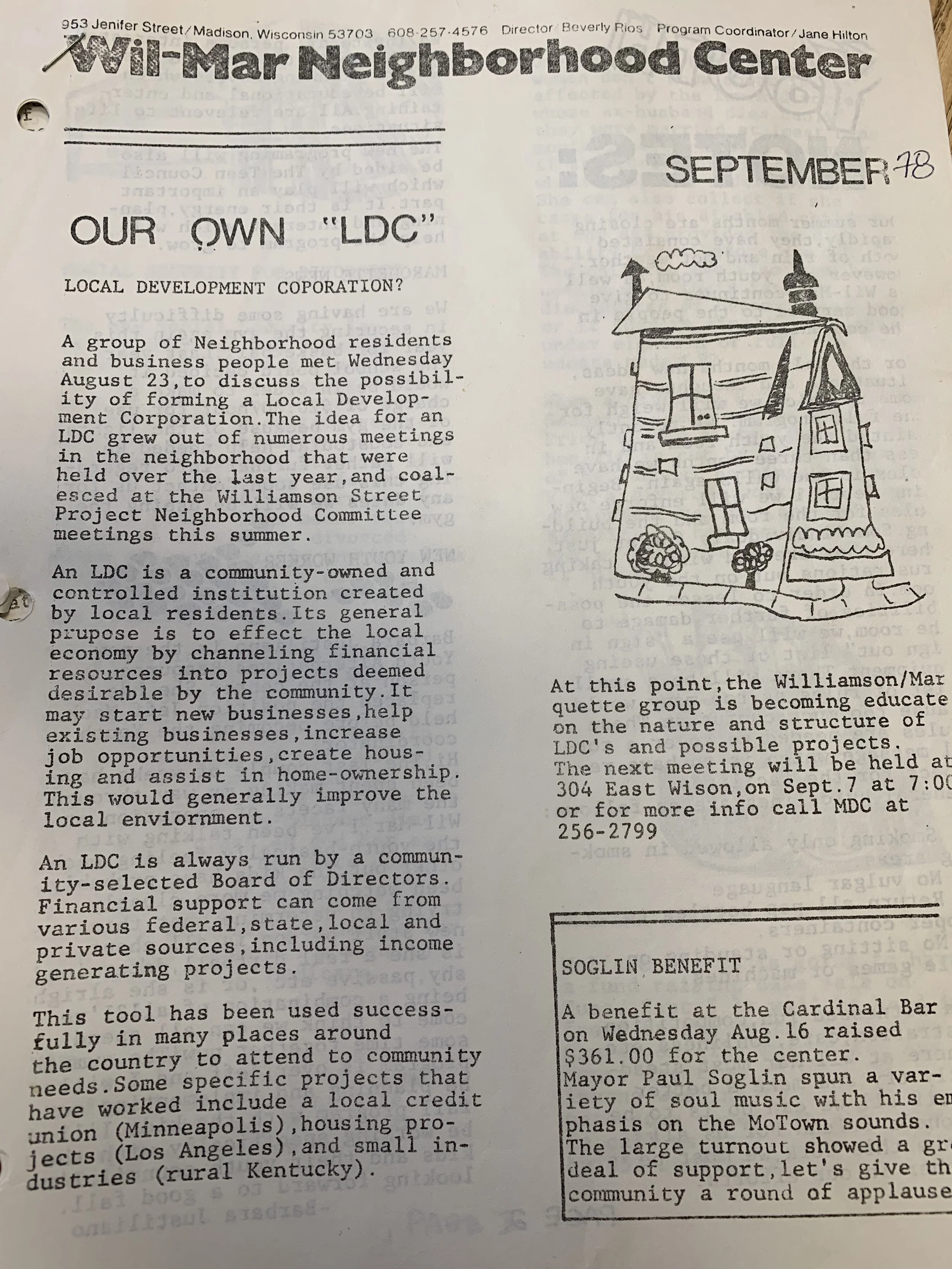
In September 1977, local artists, musicians and engaged neighbors came together to organize a take-back-the-streets art and music protest that became the first-ever Willy Street Fair on the third weekend of the month. Deepening their collective commitment, community members came out of this experience determined to take a more active hand in shaping the neighborhood's future on their own terms. Numerous neighborhood meetings throughout the following year led to the idea of creating a Local Development Corporation.
Planting A Seed Called Community
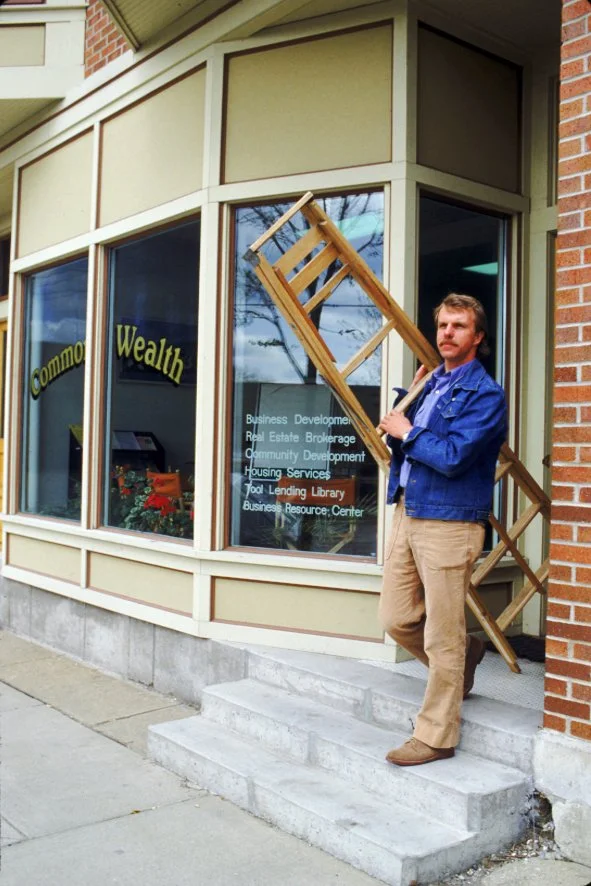
On February 14th, 1979, those same artists, musicians, and residents used the revenue and community support from the fair as the foundation to formally establish their own Local Development Corporation, named Common Wealth. The initial vision of the founding individuals was to provide resources and tools within the neighborhood to support community growth and community investment by and for the neighborhood. This included a tool lending library, a neighborhood recycling program, cooperative housing, and affordable housing for low-income families. From its inception, they understood the importance of preserving diversity by combating displacement.
Watering the Seed
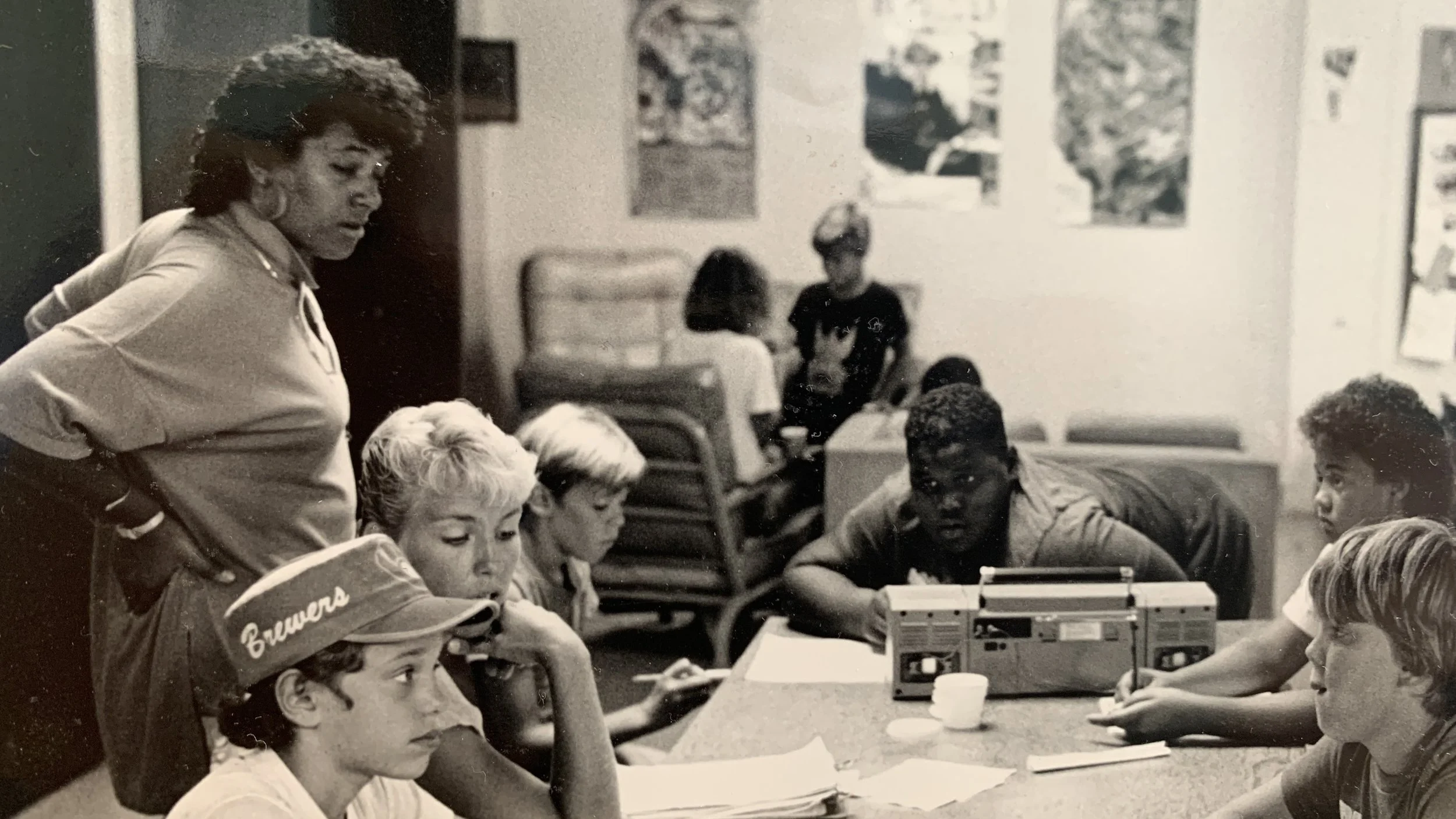
The 1980s and 1990s were a period of rapid growth and innovation. Common Wealth pioneered new housing models and participated in several successful renovations throughout the City of Madison. The earliest work involved transforming four houses on the 800 block of Williamson Street into the Ridge Side Co-Op, and initiating the mutual housing model in the Willard Knight Mansion project on the 1400 block. Implementing the mutual housing model in the Marquette neighborhood led to the birth of the Mutual Housing Association, which in a push to take the model city wide because an independent organization.
The Seed Begins to Sprout
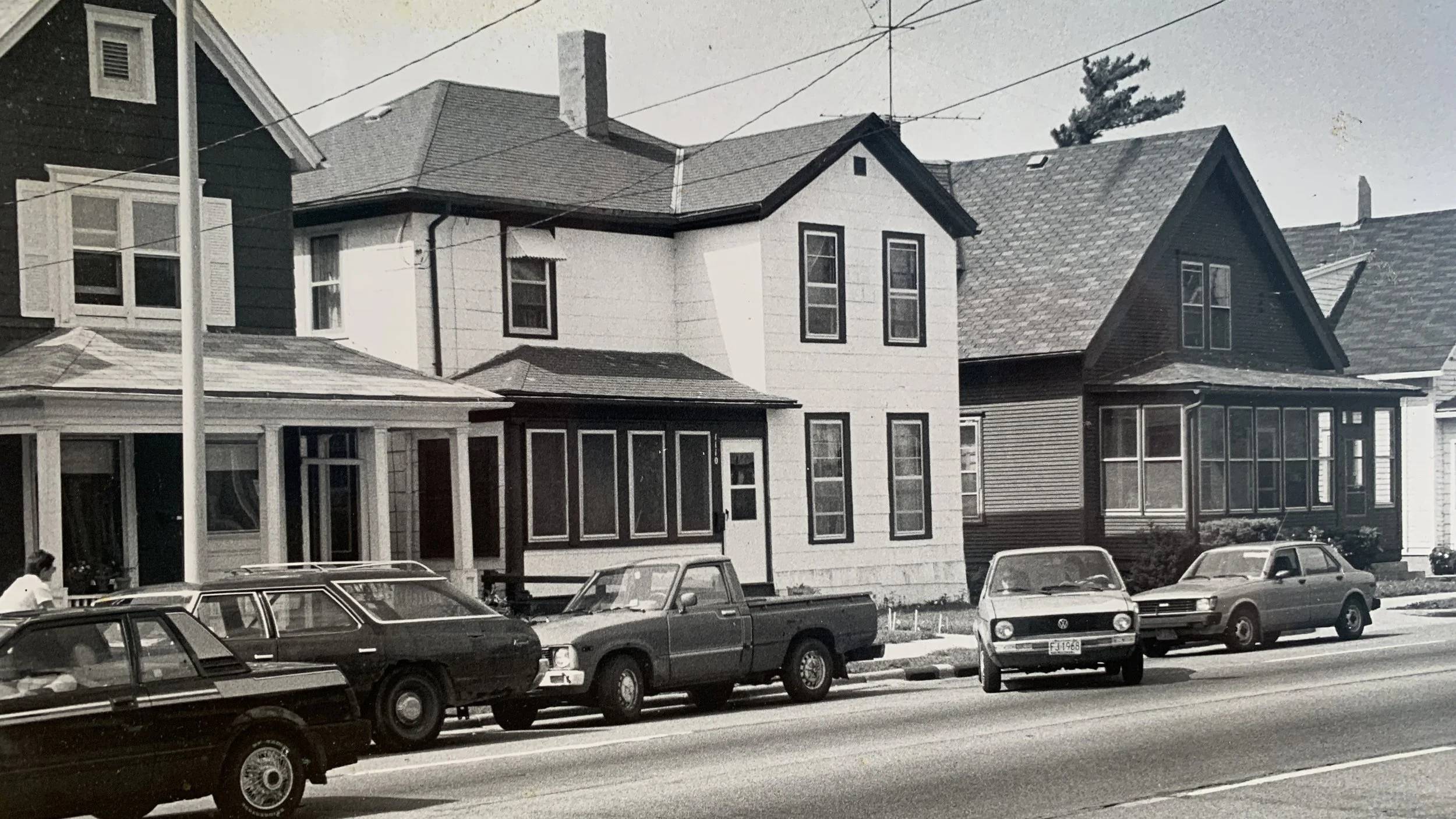
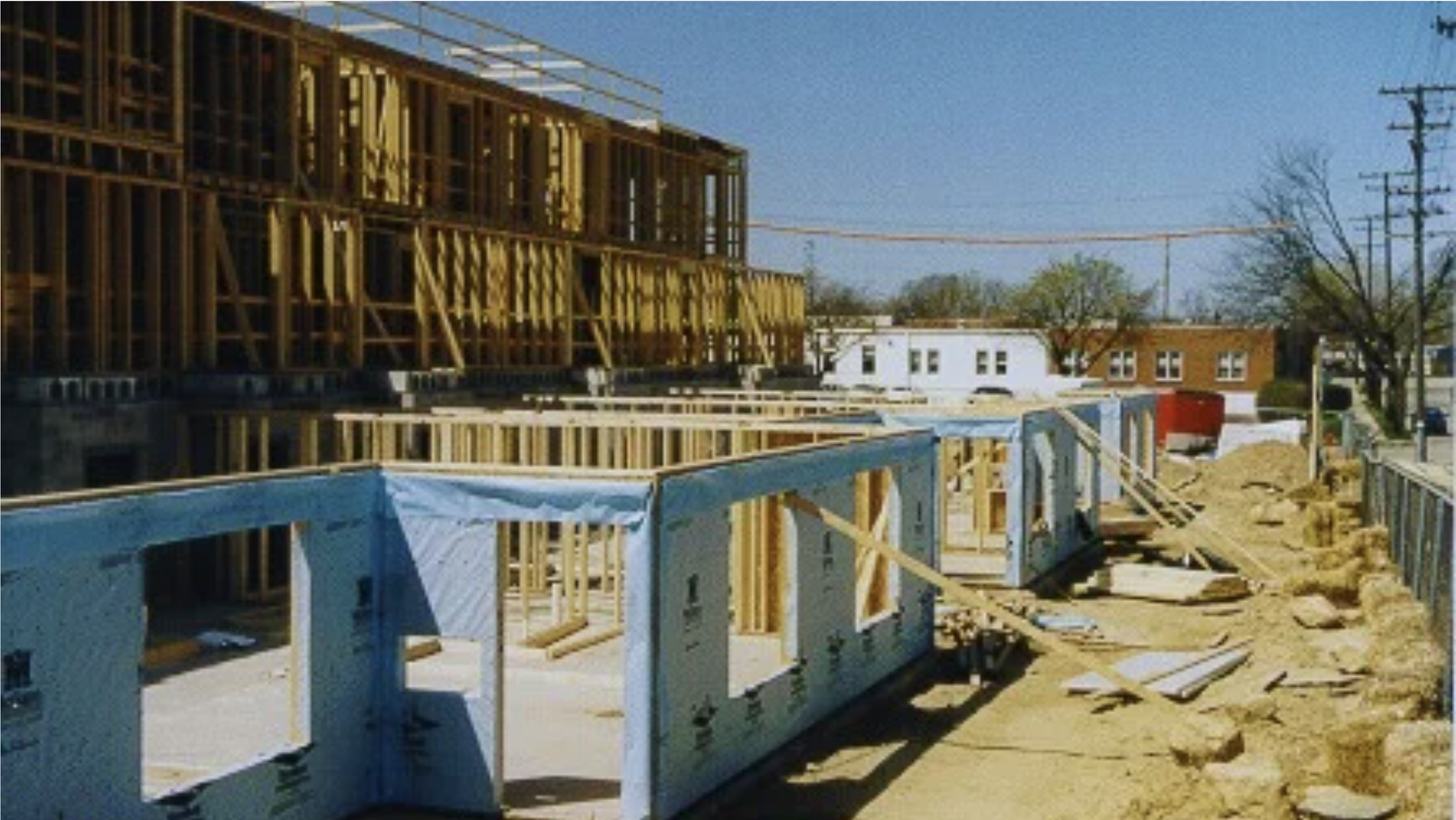
In 1986, Common Wealth began renovating Vaughn Commons on the 1100 block of Williamson Street to provide transitional housing for survivors of domestic violence. Common Wealth’s first experience with its own development began in 1991 with the construction of the Falconer Cooperative, establishing one of the first projects in the city to use low-income housing tax credits, replacing a Quonset hut and two dilapidated houses with nine units of new affordable housing.
New Leaves Unfold
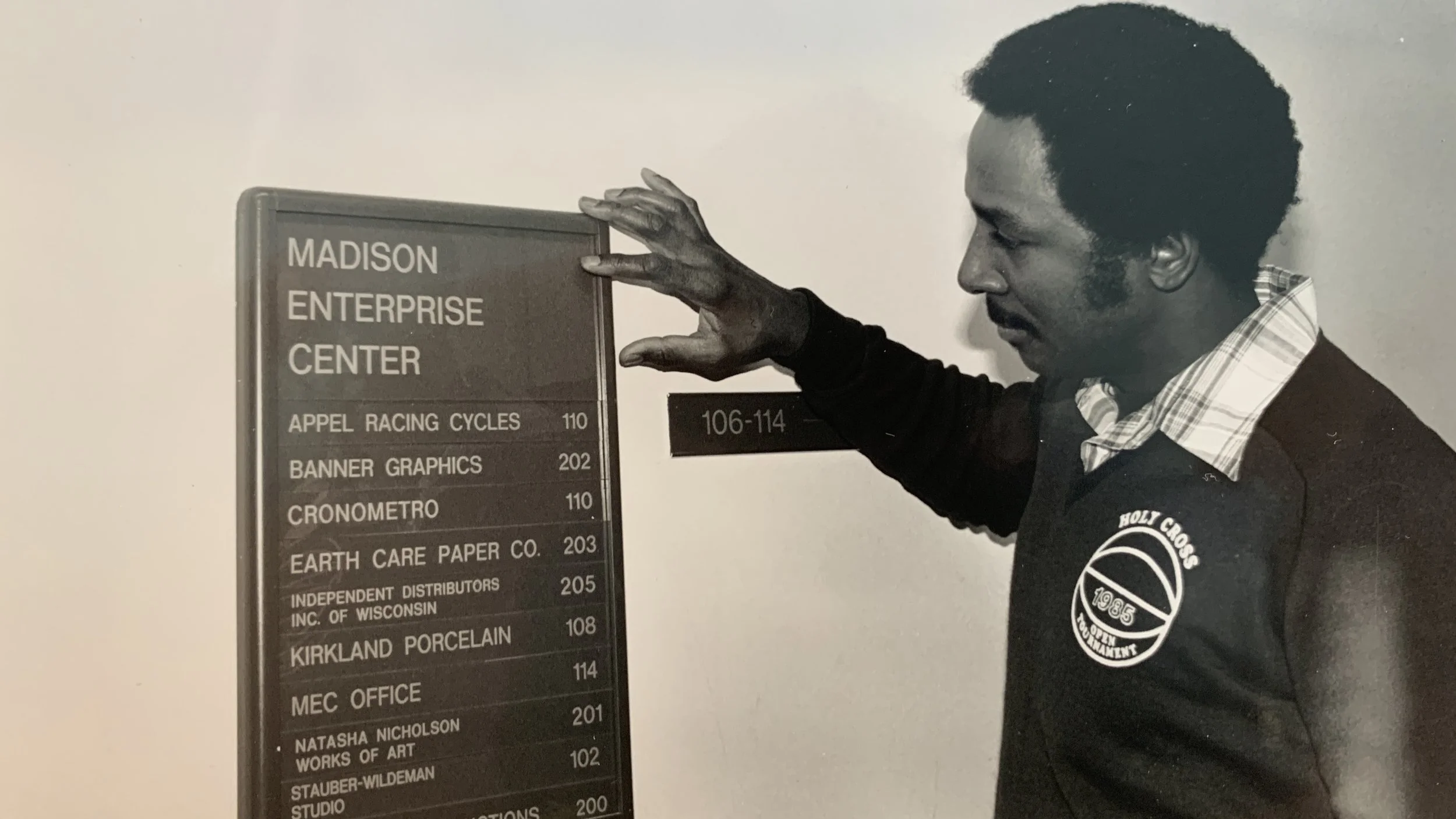
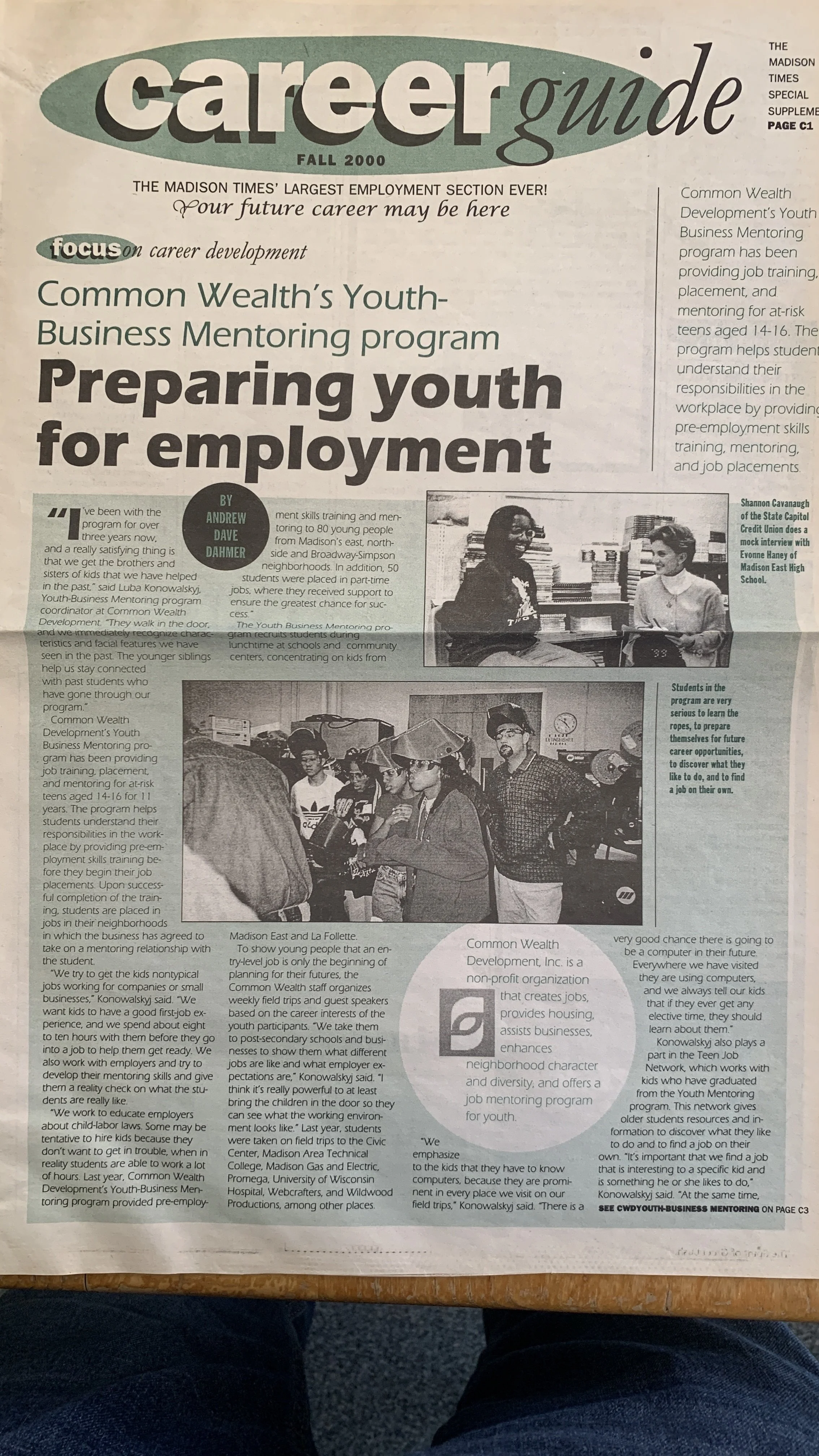
Recognizing that housing alone wasn't enough, Common Wealth partnered with Madison Gas & Electric and the City of Madison in 1987 to open the Madison Enterprise Center (MEC), the city's first-stage business incubator. In 1996, we turned an old bus depot into Main Street Industries, and in partnership with the Marquette Neighborhood Association and East High School, Common Wealth piloted the first Youth Business Mentoring Program at East High. That same year, in support of aspiring homeowners, they also established its Lease-to-Purchase program, providing one-on-one counseling, an escrow savings structure, and mortgage connections to help low-income families move from renting to owning.
A Blooming Garden
In 2000, the Marquette Neighborhood Center became a key partner in the Willy Street Fair, strengthening it as both a community anchor and a fundraiser. Two years later, in close collaboration with neighborhood residents, Common Wealth began developing Yahara View Apartments, a sixty-unit building along the Yahara River that opened in 2003, offering below-market rents to people earning between 40% and 60% of county median income.
Branching Out
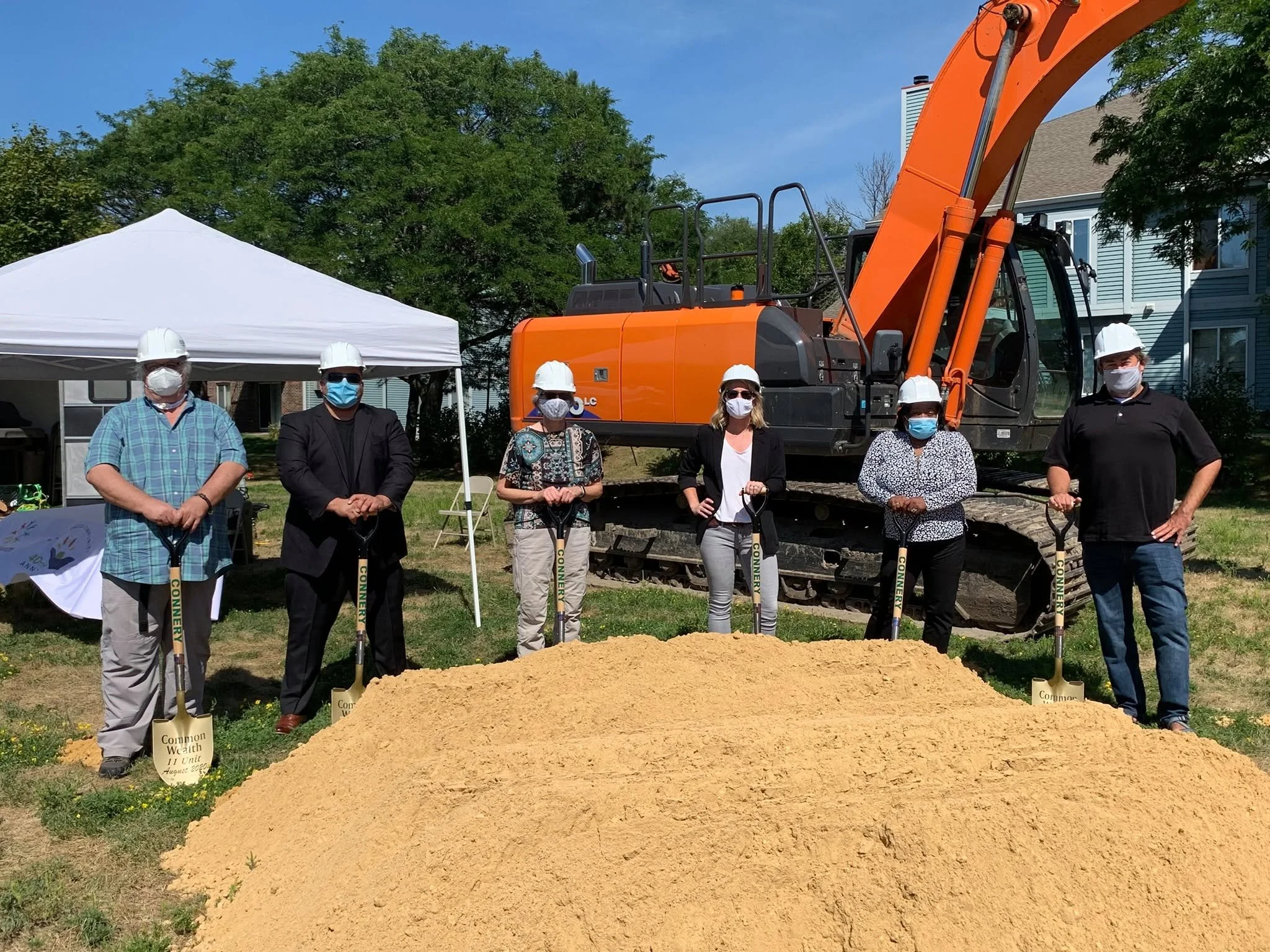
Common Wealth transitioned from a volunteer-based organization to a fully staffed nonprofit, and in 2012 launched its Adult Workforce Development program, extending to adults the same belief in training and mentorship that had driven the youth programs since the 1990s. In 2021, Common Wealth completed work on the Alliance at Meadowood Park, a mixed-use building with 11 below-market apartments and a new west side office. In 2023, Common Wealth partnered with The Road Home to provide management services for 15 units in the Meadowood neighborhood.
Tending To Our Garden
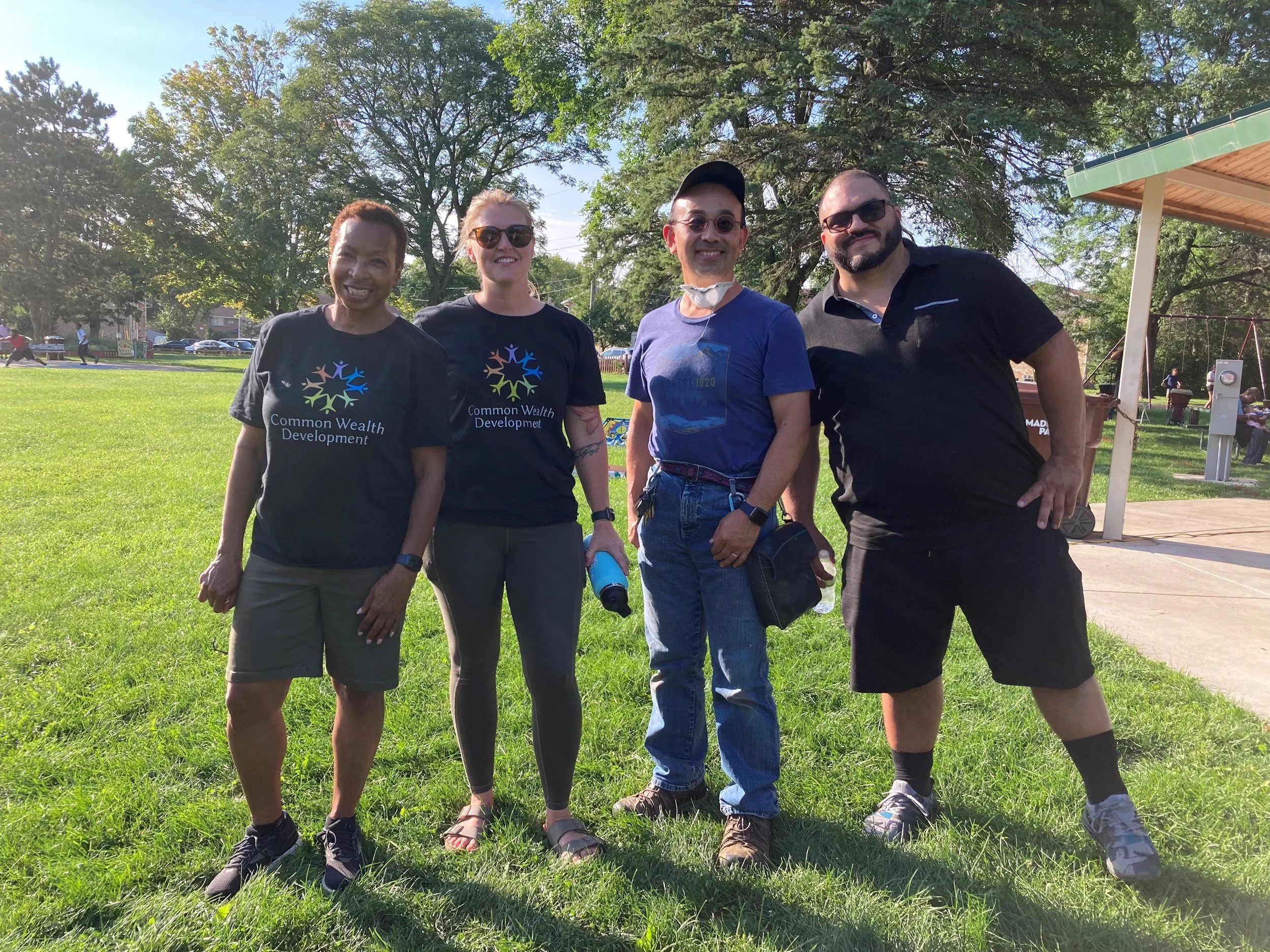
Today, Common Wealth manages 177 properties across the city, 114 on the east side and 46 on the southwest side, manages affordable commercial space for small business development, and supports youth and adults in accessing the training and mentorship they need to enter the workforce successfully. From neighborhood events and Table Talks to ongoing support for the Violence Prevention Coalition, led by Public Health of Madison and Dane County, community engagement remains the driver of all of our work.
In order to grow food, one must plant a seed. In order to establish community, one must plant a seed. We, in the Williamson Street Neighborhood have been given a seed called community and now we must plant it.
- The Seed Poem